

Shop Now
-
Welding Consumables
-
MIG Welding Wires
- Mild Steel MIG Wires
- Stainless Steel MIG Wires
- Duplex & Super Duplex MIG Wires
- Low Alloy MIG Welding Wires
- Flux Cored MIG Wires
- Flux Cored Seamless MIG Wires
- Flux Cored Self Shielded MIG Wires
- Flux Cored Stainless Steel Wires
- Flux Cored Duplex MIG Wires
- Aluminium MIG Wires
- Metal Cored MIG Wire
- Metal Cored Seamless MIG Wires
- Bronze MIG Wires
- TIG Welding Rods
- Welding Electrodes
- Gouging Carbons
- Hardfacing Wires
- Sub Arc Wires
- Sub Arc Flux
- Brazing Rods
- Brazing Fluxes
- Soldering Products
-
MIG Welding Wires
- Welding Torches and Torch Spares
-
Welding Machines
- MIG Welding Machines
- TIG Welding Machines
- STICK Welders
- Multi-Process Welders
- Battery Welders
- Laser Welders
- Laser Cleaners
- Wire Feeders
- Sub Arc Welding Machines
- Stud Welding Machines
- Engine Driven Welding Machines
- Weld Cleaning Machines
- Welding Automation Machines
- Heating Equipment
- Tungsten Grinders
- Tungsten Feeders
- Plasma & Cutting Machines
-
Welding Machine Spare Parts
- Welding Trolleys
- Alfra Spare Parts
- Betaweld Spare Parts
- Bug-O Spare Parts
- Cougartron Spare Parts
- Excision Spare Parts
- Fronius Spare Parts
- Geiger Spare Parts
- Hypertherm Spare Parts
- Kemppi Spare Parts
- Koike Spare Parts
- Lincoln Electric Spare Parts
- Miller Spare Parts
- Neutrix Spare Parts
- Rex Spare Parts
- Taylor Spare Parts
- Unimig Spare Parts
- Von Arx Spare Parts
- Weldmax Spare Parts
- Welding Fume Extraction Equipment
- Gas Welding Equipment
- Welding Abrasives
-
Welding Safety Gear
- Welding Helmets
-
Welding Helmet Spares
- Speedglas Welding Helmet Spares
- 3M Spares
- Betaweld Welding Helmet Spares
- Cigweld Welding Helmet Spares
- Flip Front Helmet Spares
- Jackson Welding Helmet Spares
- Lincoln Welding Helmet Spares
- Miller Welding Helmet Spares
- RPB Welding Helmet Spares
- Servore Welding Helmet Spares
- Unimig Welding Helmet Spares
- Weldclass Welding Helmet Spares
- Miscellaneous Helmet Lens
- Welding Gloves
- Protective Workwear
- Welding Blankets
- Welding Screens and Curtains
- Ear Protection
- Eye Protection
- Face Shields
- Hand Protection
- Head Protection
- Welding Respiratory Gear
- Sun Protection
- Hydration Products
- Fire Blankets
- Prestart Books
- Welding Safety Signages
- Safety Tags
- Hazard Tapes
-
Welding Accessories
- Air Tools
- Power Tools
- Welding Aids
- Welding Tables
- Welding Cables
- Welding Leads
- Electrical Power Supplies
- Welding Clamps
- Clamp Accessories
- Earth Clamps
- Welding Cleaning Equipment
- Welding Chemicals
- Arcair Gouging
- Lifting Accessories
- Hammers
- Manual Arc Accessories
- Weld Measuring
- Weld Testing Products
- Wire Brushes
- Pipe Welding Equipment
-
Cutting & Drilling
- Bandsaws
- Bandsaw Blades
- Bandsaw Accessories
- Cold Saws
- Core Drills
- Cutting Blades
- Diamond Blades
- Drill Bits
- Holesaws
- Magnetic Base Drills
- Metal Working Lubricants
- Pipe Bevelling Machines
- Pipe Cutting Equipment
- Tee Pulling Kits
- Pipe Threading Machines
- Plasma Table Water Additives
- Hydraulic Punching Machines
- Welding Merchandise
- Gift Cards
- Welding Clearances
-
Welding Equipment Hire
- Hire Equipment
- Hire Heating Equipment
- Hire Degausing Equipment
- Hire Welding Automation
- Hire a Welding Positioner
- Hire a Turning Roll
- Hire a Diesel Welder
- Hire a Wirefeeder
- Hire a Multi-Process Welder
- Hire Welding Accessories
- Hire a MIG Welder
- Hire a TIG Welder
- Hire a Stick Welder
- Hire a Plasma Cutter
- Hire a Weld Cleaner
- Hire a Stud Welder
What Gas is Used for MIG Welding?
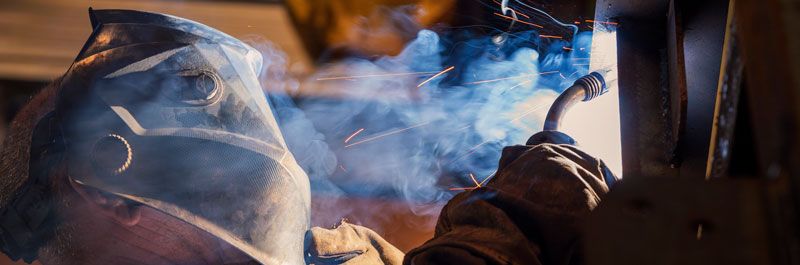
The most common gases for MIG welding are pure argon for welding non-ferrous metals like aluminum, and argon/carbon dioxide (Ar/CO₂) mixes for general welding of steel. Pure argon creates a wider, shallow weld, while Ar/CO₂ mixes provide deeper penetration for steel.
Most beginners jump into MIG welding without thinking about the gas behind the process. But picking the wrong gas for MIG welding can wreck your welds and waste your time. Let's clear up which MIG welding gas suits your projects and why it matters for strong, clean results. If you're serious about getting proper results, check out this comprehensive guide on selecting gases for DIY applications.
Common Gases for MIG Welding
Pure Argon
Used for welding aluminum and other non-ferrous metals. Pure Argon creates a clean weld with little spatter, but with less penetration than CO₂.
Argon/Carbon Dioxide (Ar/CO₂) Mix
A blend, most commonly 75% argon and 25% CO₂, it's the go-to for most general welding on mild and stainless steel. The CO₂ increases penetration for steel, while the argon helps stabilise the arc and reduces spatter compared to using pure CO₂.
Argon/Oxygen
Used in small ratios to improve the weld pool and penetration on carbon and stainless steel.
Helium Mixes
Can be added to argon for thicker aluminium to increase heat input. Helium/Argon/CO₂ mixes can be used for stainless steel to minimise corrosion and improve weld quality.
Choosing Gas Based on Material
Mild Steel
For everyday mild steel welding, you have options:
-
100% CO₂: Cheapest option, rougher welds
-
75/25 Argon/CO₂: Best all-round choice for most projects
-
90/10 Argon/CO₂: Premium choice for cleaner welds
Stainless Steel
Stainless steel requires different gas mixtures:
-
90% Helium, 7.5% Argon, 2.5% CO₂: For thicker stainless
-
98% Argon, 2% CO₂: For thin stainless steel
-
90% Argon, 10% CO₂: Budget option that still works
Using standard mild steel mixes on stainless can lead to carbon contamination and reduced corrosion resistance.
Aluminium
Aluminium demands pure argon (100%). No CO₂ should be used as it will create brittle, porous welds. Pure argon provides the clean, oxide-free environment aluminium needs.
Practical Tips for MIG Welding Gas
Flow Rate Matters
Set your gas flow rate between 15-25 cubic feet per hour (CFH). Too little gas won't protect your weld; too much creates turbulence that pulls air into your weld pool.
Check for Leaks
Gas leaks cost you money and compromise weld quality. Check all connections with soapy water to spot bubbles that indicate leaks.
Gas Cylinder Storage
Store cylinders upright and secured to prevent falls. Keep them away from heat sources and electrical circuits.
Pre-Flow and Post-Flow
Use pre-flow to purge air from your lines before welding and post-flow to protect the cooling weld after you finish.
Final Thoughts
Choosing the right gas for MIG welding has a significant impact on the quality of your work. For most DIY welders, a 75/25 argon–CO₂ mix delivers the ideal balance of cost, control, and performance. If you’re welding aluminium, switching to 100% argon ensures cleaner, more consistent results.
Cutting corners on gas quality can lead to porosity, spatter, and weaker welds. The right MIG welding gas turns difficult jobs into strong, clean welds you can rely on.
For expert guidance, dependable support, and quality gear, trust the team at Alphaweld. Our specialists will help you choose the perfect setup for your application - no guesswork, no compromise.
Call us today on (08) 9456 8000 or email sales@alphaweld.com.au to speak with a welding expert.