

Shop Now
- Welding Consumables
- Welding Torches & Torch Spares
- Welding Machines
- Plasma & Cutting Machines
- Welding Machine Spare Parts & Accessories
- Welding Fume Extraction Equipment
- Gas Welding Equipment
- Welding Abrasives
-
Welding Safety Gear
- Welding Helmets
-
Welding Helmet Spares
- Speedglas Spares
- 3M Spares
- Betaweld Spares
- Cigweld Spare Parts & Accessories
- Flip Front Helmet Spares
- Jackson Spares & Accessories
- Lincoln Electric Spare Parts & Accessories
- Miller Spares & Accessories
- RPB Spares
- Servore Spares
- Unimig Spare Parts & Accessories
- Weldclass Spares & Accessories
- Miscellaneous Helmet Lens
- Welding Gloves
- Protective Workwear
- Welding Blankets
- Welding Screens & Curtains
- Ear Protection
- Eye Protection
- Face Protection
- Hand Protection
- Head Protection
- Respiratory Protection
- Sun Protection
- Hydration Products
- Fire Blankets
- Prestart Books
- Safety Signage
- Safety Tags
- Hazard Tape
- Welding Accessories
- Pipe Welding Equipment
-
Cutting & Drilling
- Bandsaws
- Bandsaw Blades
- Bandsaw Accessories
- Coldsaws
- Core Drills & Accessories
- Cutting & Milling Blades
- Diamond Blades
- Drill Bits
- Holesaws
- Magnetic Base Drills
- Metal Working Lubricants
- Pipe Bevelling
- Pipe Cutting Equipment
- Pipe Tee Pulling Kits
- Pipe Threading Machines
- Plasma Table Water Additives
- Punching Machines
- Welding Merchandise
- Gift Cards
- Clearances
-
Hire
- Hire Equipment
- Hire Heating Equipment
- Hire Degausing Equipment
- Hire Welding Automation
- Hire a Welding Positioner
- Hire a Turning Roller
- Hire a Diesel Welder
- Hire a Wirefeeder
- Hire a Multi-Process Welder
- Hire Accessories
- Hire a MIG Welder
- Hire a TIG Welder
- Hire a Stick Welder
- Hire a Plasma Cutter
- Hire a Weld Cleaner
- Hire a Stud Welder
Essential Welding Tools and Safety Gear Every Fabricator Must Have
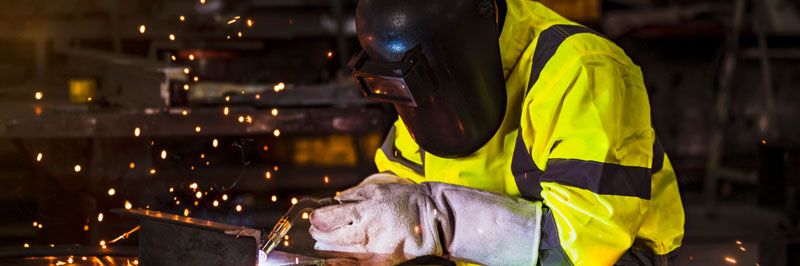
Welding on site throws fresh challenges at you every day, and without the right welding tools and safety gear for welders, mistakes can get costly fast. Skimping on quality fabrication equipment or PPE isn't worth the risk when your safety and output are on the line.
This guide breaks down the welding safety essentials and protective gear you must have to stay sharp and secure, so you can focus on delivering quality work without cutting corners.
Core Welding Tools You Can't Do Without
Welding Machines
Your welding machine is the heart of every job. Choose between MIG, TIG, or STICK welders based on your project requirements. MIG welders offer speed and versatility for general fabrication work. TIG welders give you precision for detailed jobs. STICK welders deliver reliability in outdoor conditions and on dirty materials. Don't settle for cheap machines that fail when you need them most. Invest in quality fabrication equipment that handles the demands of professional work.
Cutting and Grinding Equipment
Angle grinders are non-negotiable. You'll need them for cutting, grinding, and finishing welds. Pair them with quality cutting discs and grinding wheels designed for metal work. Plasma cutters give you clean, fast cuts on various metals. Oxy-acetylene torches remain essential for heating, bending, and cutting thick materials. Keep spare consumables on hand so you're never stuck waiting for parts.
Measuring and Marking Tools
Accuracy separates professional fabricators from amateurs. Steel rulers, combination squares, and tape measures form your basic measuring kit. Speed squares help you mark angles quickly. Soapstone markers withstand heat and remain visible on dirty surfaces. Centre punches mark drill points precisely. Magnetic levels and protractors ensure your work meets specifications every time.
Clamping and Positioning Equipment
Strong clamps hold your work steady while you weld. C-clamps, locking pliers, and magnetic clamps are standard welding tools for any fabricator. Welding tables with built-in clamping systems speed up setup time. Adjustable jigs and fixtures improve consistency across multiple pieces. Don't underestimate how much time proper clamping saves you.
Welding Protective Gear That Keeps You Safe
Auto-Darkening Welding Helmets
Your eyes are irreplaceable. Auto-darkening helmets protect against arc flash while letting you see your work clearly. Look for helmets with adjustable shade settings between 9 and 13. Good helmets respond in milliseconds when you strike an arc. Comfortable headgear means you'll actually wear it all day. This is non-negotiable PPE for welders.
Welding Gloves and Sleeves
Heat-resistant gloves protect your hands from sparks, spatter, and hot metal. MIG gloves offer dexterity for fine work. STICK welding gloves provide heavier protection. Leather sleeves shield your forearms from burns. Replace worn gloves immediately. Burnt hands stop work faster than anything else.
Flame-Resistant Clothing
Cotton or leather clothing protects your body from sparks and UV radiation. Flame-resistant jackets, aprons, and trousers are welding safety essentials. Avoid synthetic fabrics that melt onto skin. Leather aprons work well for heavy fabrication. Full leather jackets suit overhead welding. Your clothing is your first line of defence.
Respiratory Protection
Welding fumes damage your lungs over time. Use proper ventilation wherever possible. When ventilation isn't enough, wear approved respirators. Half-face respirators with P100 filters suit most applications. Powered air-purifying respirators (PAPRs) offer maximum protection for confined spaces. Don't ignore respiratory safety gear for welders.
Safety Footwear and Other PPE
Steel-capped boots protect your feet from falling materials and hot metal. Leather boots resist sparks better than synthetic materials. Safety glasses under your helmet shield against grinding debris. Earplugs protect your hearing in noisy environments. High-visibility vests keep you safe on busy sites.
Maintenance and Storage
Clean your welding tools after every shift. Store equipment in dry conditions to prevent rust. Check cables and connections regularly for damage. Replace worn consumables before they fail. Inspect your welding protective gear for holes, cracks, or damage. Proper maintenance extends the life of your fabrication equipment and keeps you safe.
Building Your Complete Kit
Start with quality basics and expand as your work demands. Buy the best welding safety essentials you can afford. Cheap tools cost more in the long run through replacements and lost productivity. Your safety gear should never be compromised by budget constraints. Professional fabricators know their equipment is an investment, not an expense.
The right combination of welding tools and PPE sets you up for success on every job. You'll work faster, safer, and produce better results when you're properly equipped. Don't wait for an accident to prove the value of quality welding protective gear.
Ready to upgrade your kit with professional-grade equipment? Contact the experts at Alphaweld for advice on the best welding tools and safety gear for your specific needs. Call us on (08) 9456 8000 or email sales@alphaweld.com.au.
Frequently Asked Questions
What are the most important welding tools for beginners?
Start with a quality welding machine suited to your work, an auto-darkening helmet, leather gloves, and basic clamps. Add an angle grinder, measuring tools, and flame-resistant clothing. These core items let you complete most basic fabrication jobs safely while you build your full kit.
How often should I replace my welding safety gear?
Replace helmets when the auto-darkening lens fails or the shell cracks. Change gloves when they develop holes or lose flexibility. Inspect flame-resistant clothing monthly and replace items with burn marks or tears. Your safety depends on functional PPE, so check it regularly.
What's the difference between MIG and TIG welding equipment?
MIG welders feed wire continuously and work faster for general fabrication. TIG welders use a hand-fed filler rod and provide precise control for detailed work. MIG suits production environments while TIG excels at thin materials and critical welds. Choose based on your typical projects.
Do I need different safety gear for different welding processes?
All processes require helmets, gloves, and flame-resistant clothing. TIG welding produces less spatter but more UV radiation, so quality helmets matter more. STICK welding creates more sparks, requiring heavier protective gear. Overhead work demands full leather jackets regardless of process.
How can I ensure my welding tools last longer?
Clean equipment after each use and store it in dry conditions. Inspect cables and connections weekly for damage. Replace consumables before they fail completely. Follow manufacturer maintenance schedules for your welding machines. Proper care of fabrication equipment saves money and prevents job delays.